Plan by SKU and Carton
Every selected ceramic hob and companion appliance needs a model identity, quantity, packed dimensions, carton count and loading basis before space planning.
Ceramic hob wholesale
Ceramic hobs can be combined with other practical small appliances when buyers want a balanced container instead of relying on only one category.
Wholesale only. MOQ starts from 1000 PCS. Model, electrical version, packing, evidence and inspection scope must be confirmed for the current order before release.
Procurement Answer
Ceramic hobs can enter a mixed-container plan only after every category has a selected model, quantity, packed dimensions, carton count, loading basis, destination version, inspection plan and commercial role. Mixed-container coordination does not remove per-model MOQ or create guaranteed demand. The buyer controls market mix and inventory; the factory coordinates available categories, evidence, packing data, loading plan and order records.
Buyer decision points
Every selected ceramic hob and companion appliance needs a model identity, quantity, packed dimensions, carton count and loading basis before space planning.
Mixed-container coordination does not automatically remove MOQ. MOQ starts from 1000 PCS and final feasibility is confirmed by selected model and order.
Plug, voltage, label language, manual, carton marks and destination requirements should be consistent across the shipment where applicable.
The factory can coordinate categories and loading evidence; the buyer decides channel demand, cash allocation, inventory exposure and margin targets.
Source Catalog Candidates
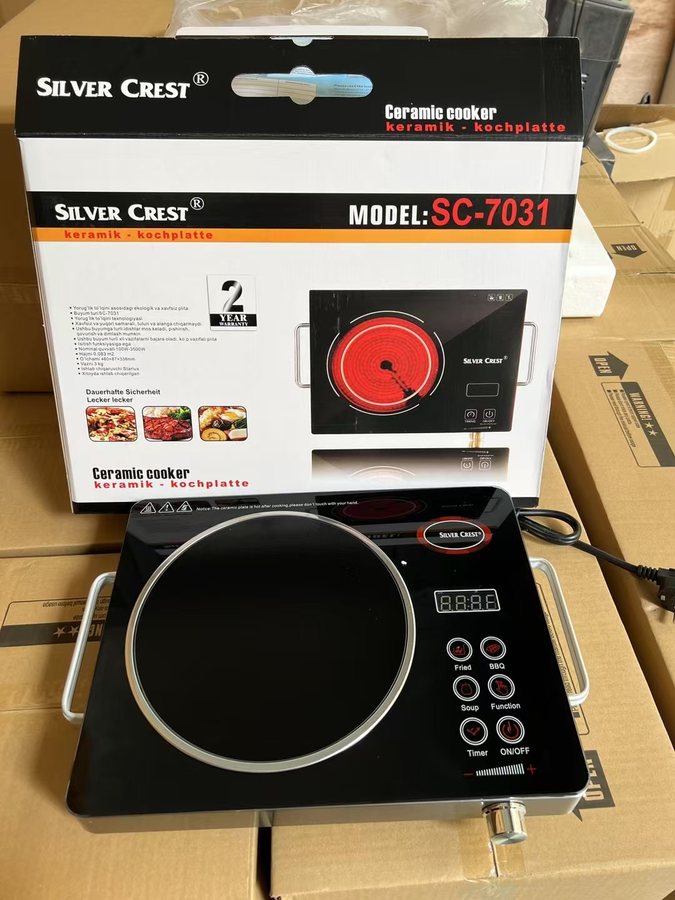
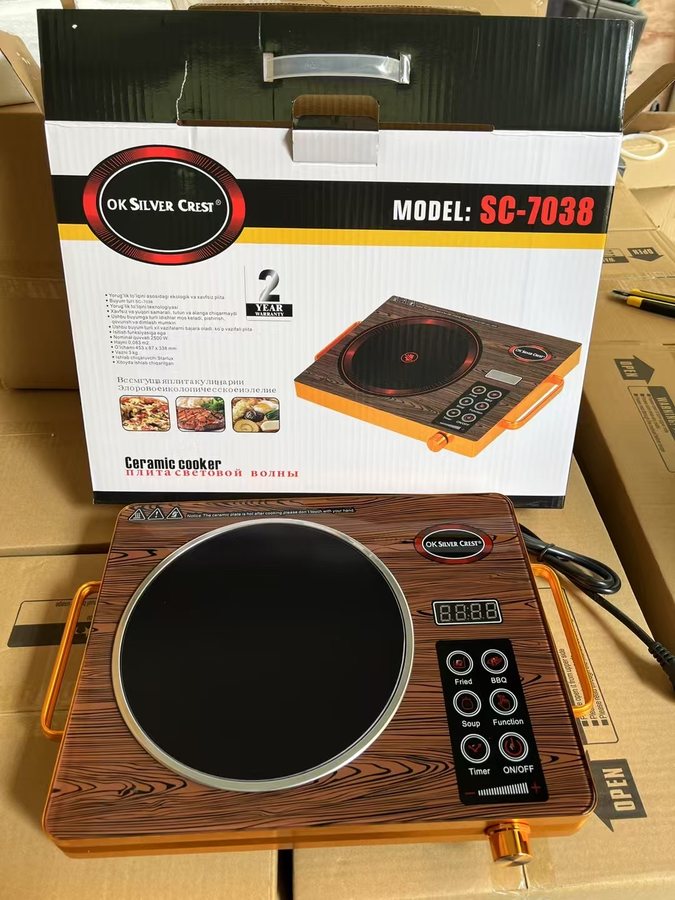
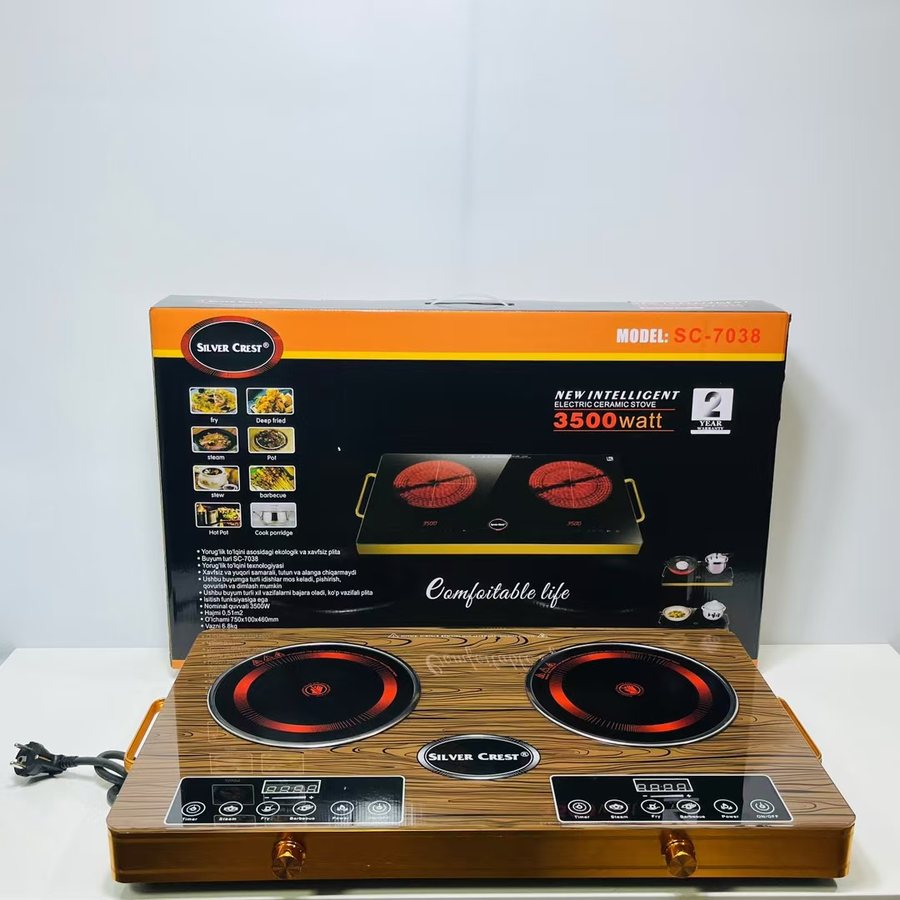
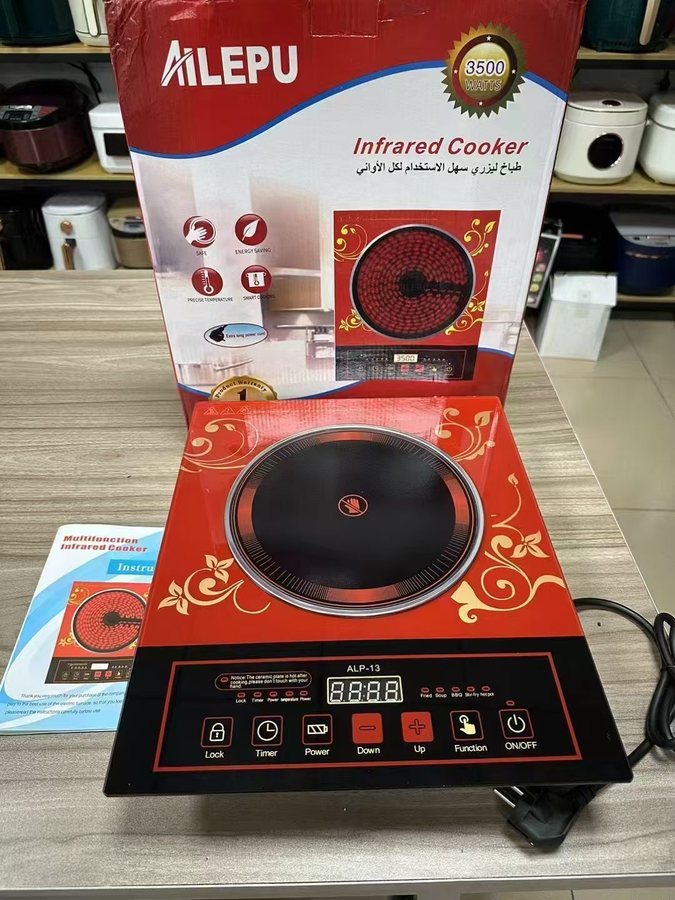
Ceramic Hobs
Ceramic Hobs
Ceramic Hobs
Ceramic Hobs
A mixed container is not simply a long product list. It is a controlled allocation of SKUs, cartons, capital and destination requirements. The buyer should define what commercial role ceramic hobs play beside air fryers, blenders, fans, rice cookers or water dispenser pumps and avoid adding a category only to fill space.
Start with model-level data. For each SKU, record the exact catalog route, current sample status, quantity, QTY/CTN, packed dimensions, gross weight, carton count, container loading basis, plug, voltage, language, packing and inspection needs. Missing fields remain open until confirmed; do not copy data from a similar model.
The current ceramic hob catalog includes loading references, but they belong to listed versions. P67, P68 and P69 publish 4,950 units per 40HQ and 8 PCS/CTN; P70 publishes 1,680 units per 40HQ and 3 PCS/CTN. Recalculate after the exact product and packing are frozen, especially for OEM artwork or changed inner protection.
A container worksheet should expose space, cash and risk rather than hide them. The buyer decides the quantity and category mix using channel evidence and inventory limits. The factory coordinates available supply routes, packing data, order records and loading execution without guaranteeing sell-through or profit.
Build the order from controlled SKU rows rather than category names:
State whether each SKU is intended for a distributor, appliance shop, supermarket, project or established online channel and what evidence supports its inclusion. This keeps container space tied to a commercial hypothesis rather than convenience.
Container calculations should use the approved packed version. If the product, accessories, color box or protection changes, measure again and update the worksheet before loading.
Check model references, labels, manuals, carton marks, quantities, packing lists and inspection records across all categories. One communication path is useful only when category-specific details remain traceable.
A useful request identifies the catalog route or model, quantity, destination country and port, buyer channel, cookware use, plug, voltage, frequency where applicable, packing, OEM scope, evidence request and inspection expectation. Public prices are not shown because the order basis must be defined first.
Related Decision Records