Name the Destination Country
UAE, Saudi Arabia, Iraq and other countries must not be treated as one electrical, labeling, compliance or channel specification.
Ceramic hob wholesale
Middle East buyers may need stronger packing presentation, clear model selection, plug confirmation and private label discussion before confirming ceramic hob orders.
Wholesale only. MOQ starts from 1000 PCS. Model, electrical version, packing, evidence and inspection scope must be confirmed for the current order before release.
Procurement Answer
A Middle East ceramic hob RFQ should identify the exact destination country and channel, buyer-confirmed electrical and plug requirements, required languages, cookware use, retail presentation, service expectation, landed-cost inputs and local compliance responsibility. No region-wide product fit is assumed. The factory can screen current catalog routes, coordinate samples, packing and evidence, and control the order version without guaranteeing demand, price, margin or repeat supply.
Buyer decision points
UAE, Saudi Arabia, Iraq and other countries must not be treated as one electrical, labeling, compliance or channel specification.
Distributor, appliance dealer, supermarket, project or established online channel can require different presentation, service and packing decisions.
Confirm product label, manual, color box, warnings and supported claims for the selected model and destination responsibility.
State the catalog route, quantity, country, plug, voltage, language, packing, destination port, inspection and unresolved evidence.
Source Catalog Candidates
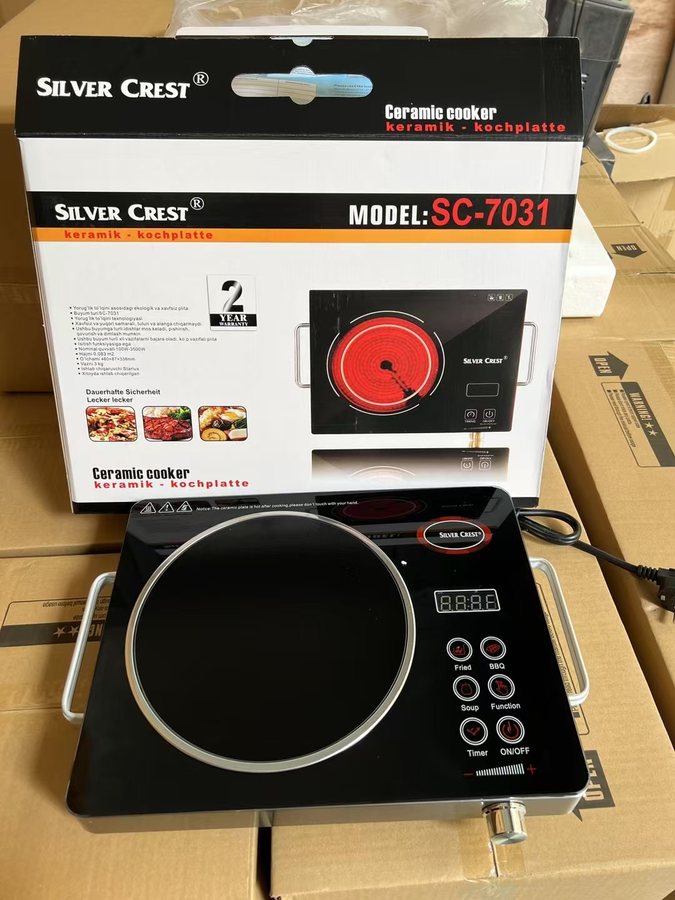
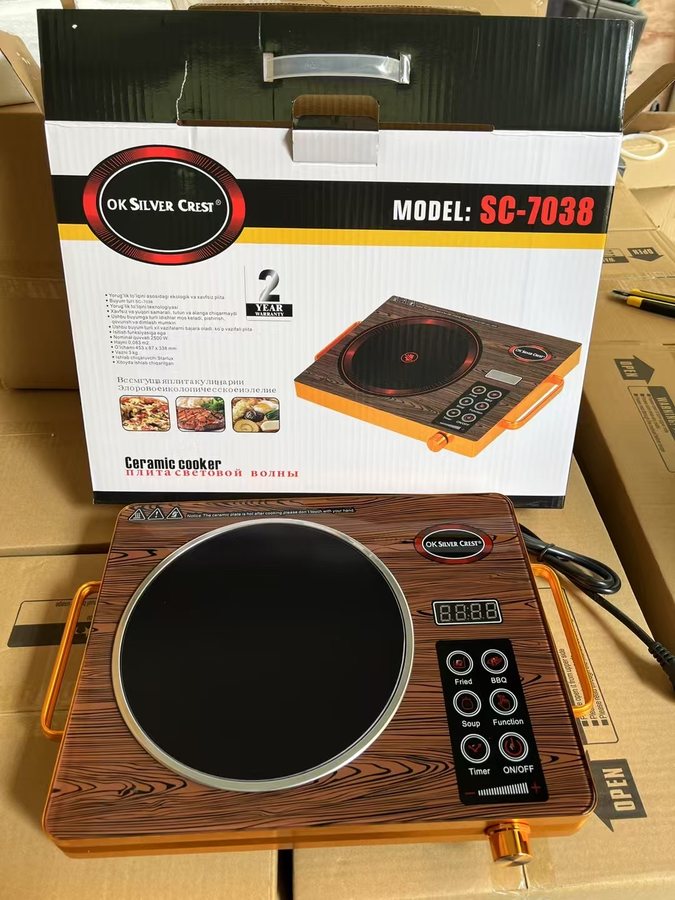
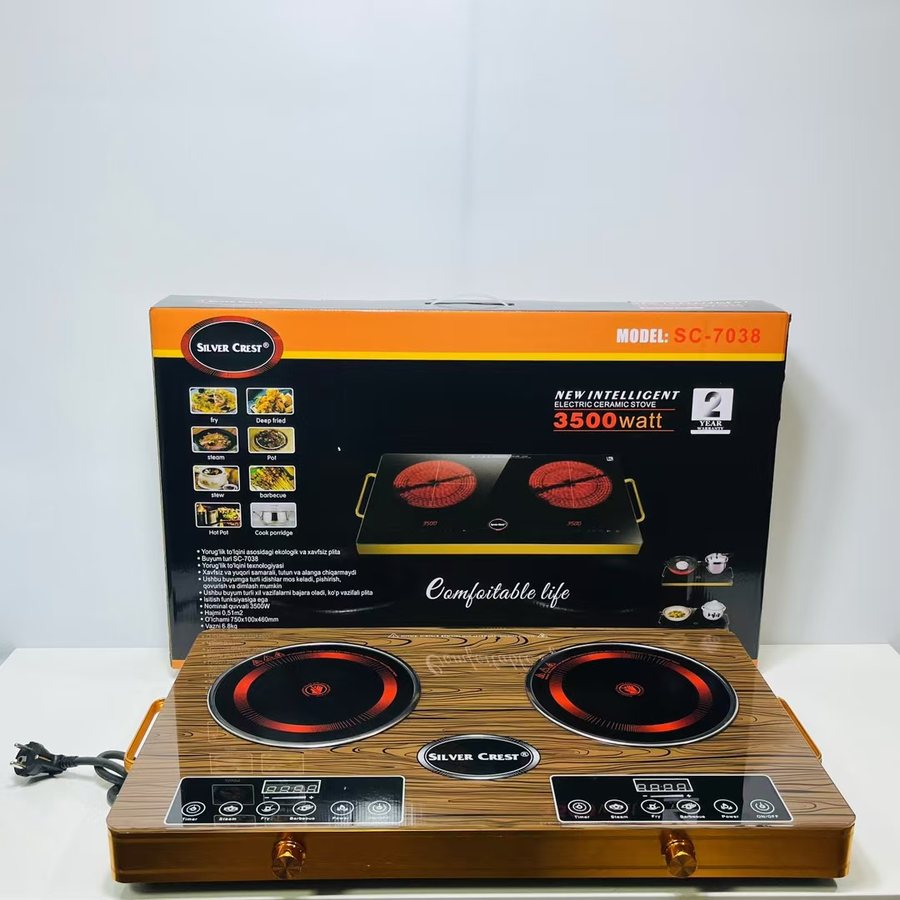
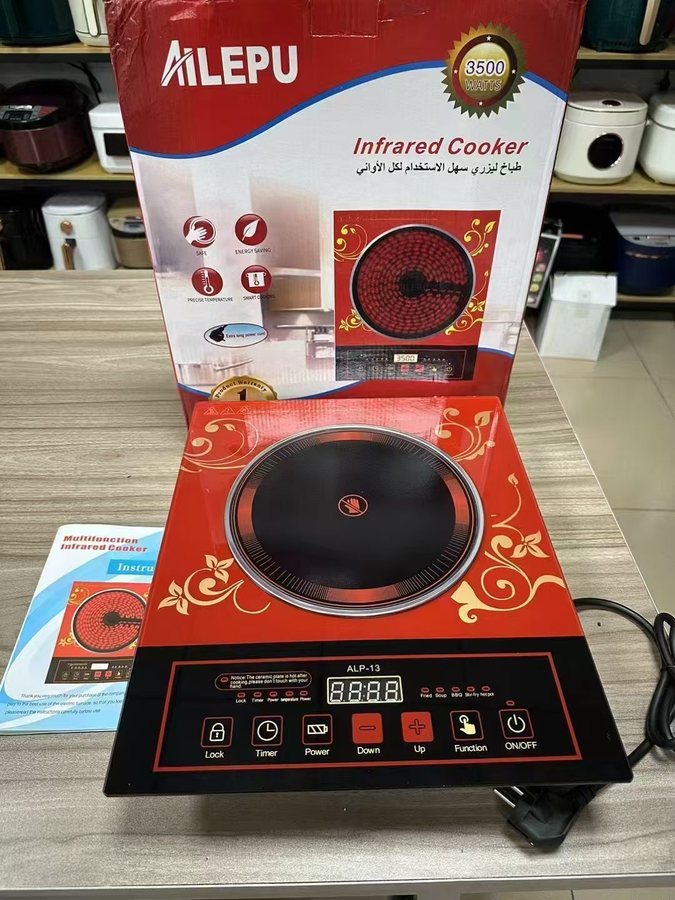
Ceramic Hobs
Ceramic Hobs
Ceramic Hobs
Ceramic Hobs
Middle East sourcing should begin with one destination country and one channel. Regional wording does not establish voltage, plug, language, compliance, cookware, retail presentation or service requirements. The buyer should provide the applicable requirements or appoint a local specialist where needed.
Retail presentation can be discussed only after model identity is stable. Approve the current sample, cooking-zone layout, controls, electrical version and supported claims before translating a manual or creating a color box. Otherwise artwork may carry a specification or feature that belongs to another route or earlier sample.
The buyer should define language versions, warnings, barcode, carton marks and any channel-specific label fields. Each file needs a final revision code. The factory can coordinate available printing and packing options, but feasibility and MOQ implications depend on the selected order and should be confirmed in the private quotation.
Commercial planning should use destination-port and inland-cost inputs, buyer-observed channel prices, inventory exposure and service responsibility. The factory may support model screening and repeat-order records, but cannot promise local demand, selling price, margin, arrival date or sell-through.
Before quotation or artwork release, close these country- and channel-specific questions:
A useful brief names the country, sales channel, comparable models, buyer profile, cookware needs, packaging expectation and service route. It avoids unsupported region-wide statements.
Translations, technical fields and warnings should be checked against the approved model and destination requirement. The released artwork pack should identify the final language files and archive superseded versions.
Compare the private quotation with freight, duty, local charges, inland delivery, channel costs, service reserve and buyer-defined margin target. The factory supplies inputs it can support; the buyer owns the final market and financial decision.
A useful request identifies the catalog route or model, quantity, destination country and port, buyer channel, cookware use, plug, voltage, frequency where applicable, packing, OEM scope, evidence request and inspection expectation. Public prices are not shown because the order basis must be defined first.
Related Decision Records