Country Before Region
Name the destination country and receiving channel. Do not use an Africa-wide voltage, plug, demand or price assumption.
Ceramic hob wholesale
Start with buyer evidence from a defined African country and channel. Compare documented plug and voltage requirements, landed cost, packing, channel price and stock plan before selecting a model or discussing repeat supply.
Wholesale only. MOQ starts from 1000 PCS. Model, electrical version, packing, evidence and inspection scope must be confirmed for the current order before release.
Procurement Answer
Africa is not one ceramic hob market. A buyer should identify the destination country, channel, electrical supply, plug, cookware use, comparable local products, landed-cost inputs, packing route, compliance responsibility and first-order inventory limit. The factory can screen available catalog routes and coordinate samples and evidence, but does not guarantee local demand, price, margin or sell-through.
Buyer decision points
Name the destination country and receiving channel. Do not use an Africa-wide voltage, plug, demand or price assumption.
Send comparable models, channel prices, cookware needs, packaging examples and buyer-confirmed electrical and import requirements.
Use a defined model, packed version, landed-cost worksheet, inspection plan and inventory limit instead of treating MOQ as market proof.
The factory screens catalog routes and coordinates evidence; the buyer validates local compliance, demand, channel economics and import decisions.
Source Catalog Candidates
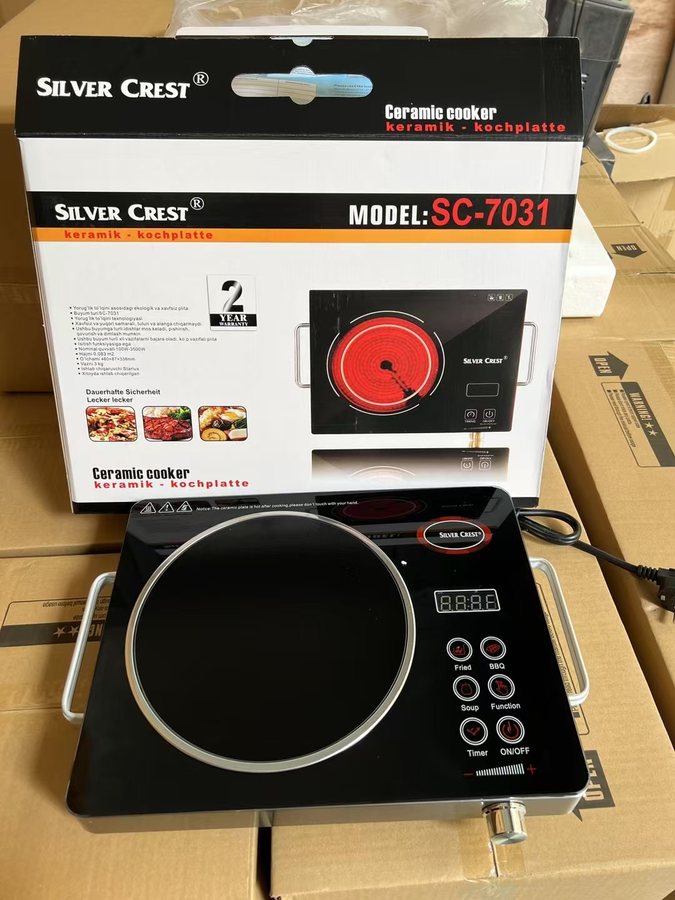
Ceramic Hobs
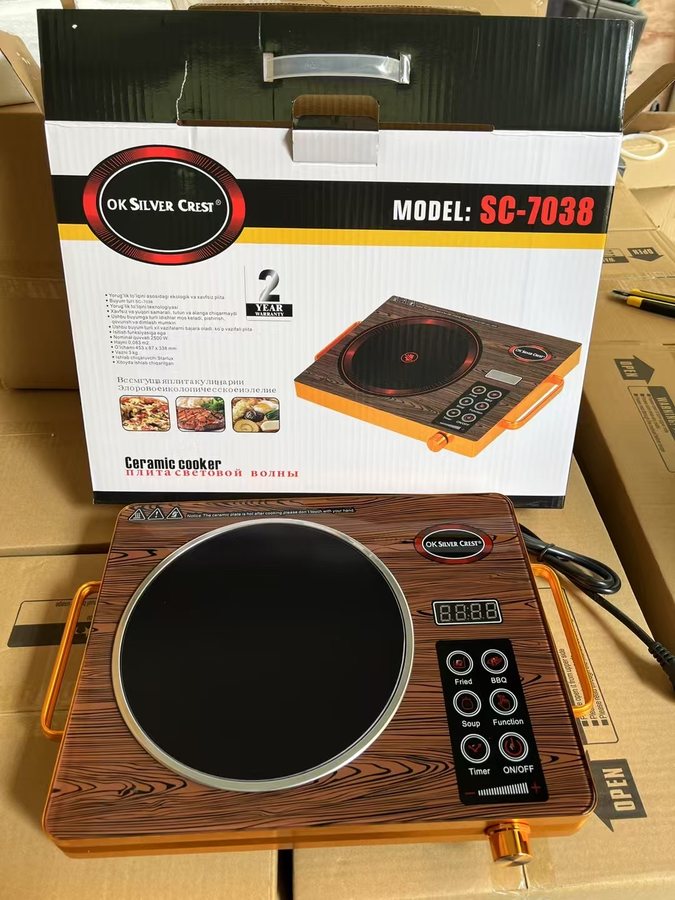
Ceramic Hobs
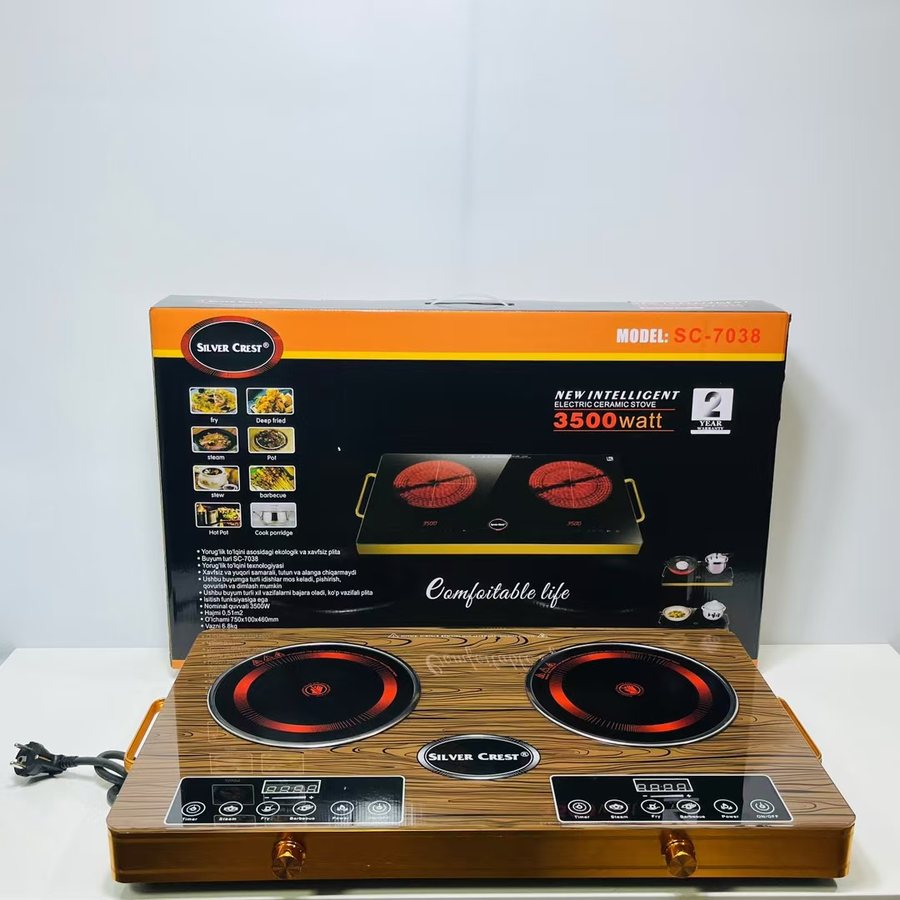
Ceramic Hobs
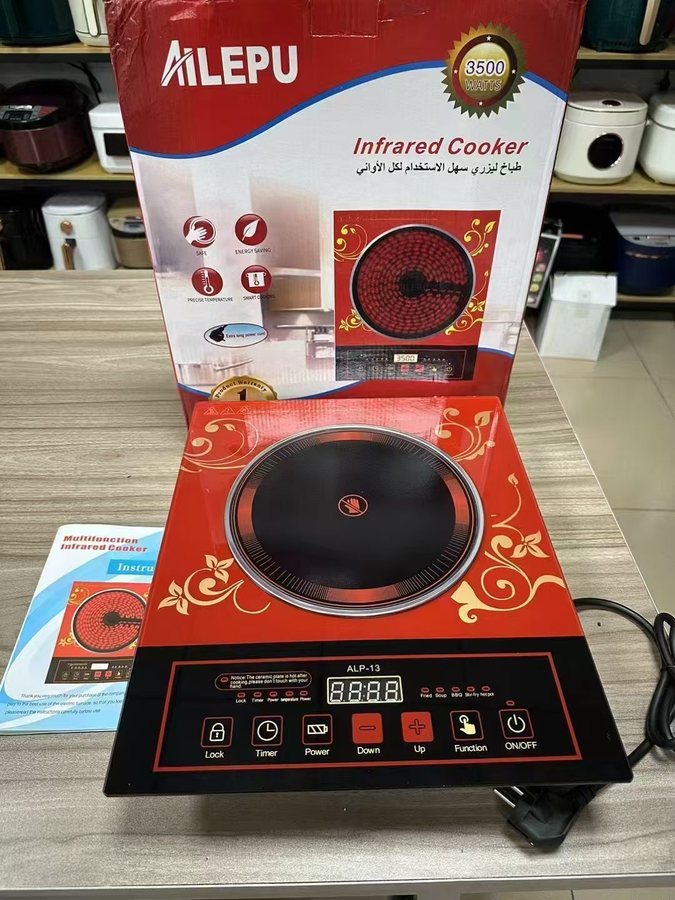
Ceramic Hobs
Africa is not one market. A regional label is too broad for ceramic hob selection. No country-wide market fit is assumed. The RFQ should identify one country, one channel and one use case. Electrical supply, plug practice, cookware, language, retail presentation, freight route, import requirements and customer expectations can differ materially between countries and channels.
The buyer can provide local evidence: comparable products, photographed labels and packing, channel prices, customer questions, return causes, cookware habits and target landed-cost inputs. The factory can compare that brief with P67/SC-7031, P68/SC-7038, P69 and P70 and identify which fields are published, which can be checked and which remain unresolved.
Model fit still requires current-sample approval. Confirm the electrical version, cooking-zone layout, controls, glass, heater, cable, plug, label, manual, packing and buyer-defined cooking test. Any destination claim or certificate request must be checked for the exact selected configuration.
A first order should have a written inventory and review plan. Quantity should be justified by the buyer's channel evidence and cash-flow decision, not by a generic market statement. Factory coordination can support a mixed-container plan, but local demand remains the buyer's decision and every selected category needs its own model identity, packed data and inspection basis.
Send a decision pack that allows the factory to screen models without inventing a market fit:
Useful evidence is specific and dated: competitor packaging, product labels, channel prices, customer questions, cookware examples, plug photos, retailer requirements and port or inland-cost inputs. It is stronger than a broad statement that a product is popular.
The factory can return a shortlist showing catalog identity, published fields, sample availability to confirm, open questions, packing options to discuss and evidence needed before quotation. This is a screening output, not a sales forecast.
After receipt, the buyer can record sell-through, customer questions, returns, service issues and packaging damage. The next order should use that evidence to adjust the selected version, packing or quantity rather than relying on assumptions.
A useful request identifies the catalog route or model, quantity, destination country and port, buyer channel, cookware use, plug, voltage, frequency where applicable, packing, OEM scope, evidence request and inspection expectation. Public prices are not shown because the order basis must be defined first.
Related Decision Records